
Pain Symptoms in Elderly Adults May Be Easier to Spot Than You Think
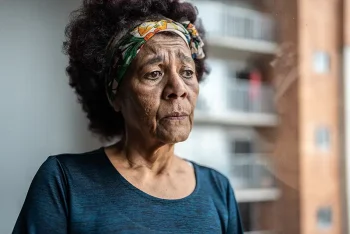
Pain symptoms in seniors may become apparent through changes in everyday behavior, movement, and routines.
It’s easy to assume that if someone is in pain, they’ll tell you. Unfortunately, that’s not always the case. An older adult with dementia may not be able to explain what they’re feeling, while someone else may brush off discomfort because they’ve spent years believing it’s simply part of getting older.
When pain goes unspoken, it often shows up in other ways. A loved one who has always been easygoing may suddenly become impatient. Someone who normally enjoys conversation may withdraw, lose interest in meals, sleep poorly, or appear more confused than usual. These changes don’t immediately suggest physical pain, which is why they’re often attributed to aging or memory loss instead.
Recognizing these less obvious pain symptoms in elderly adults can help you respond more quickly and make sure your loved one receives the care they need.
Pay Attention to Changes in Behavior
One of the first clues that something is wrong is often a change in what’s considered normal. Has your loved one become less interested in activities they once enjoyed? Do they seem more anxious, restless, or frustrated than they did a few weeks ago? Are they avoiding situations they normally wouldn’t think twice about?
While everyone experiences occasional changes in mood, consistent differences in behavior deserve a closer look.
Watch How They Move Throughout the Day
Movement often reveals discomfort long before someone talks about it. Notice how your loved one stands up from a chair, gets out of bed, walks across the room, or reaches for items. If those tasks suddenly require more effort, or they begin moving more cautiously, pain may be influencing the way they move.
These small changes can provide important clues that shouldn’t be overlooked.
Keep a Record Before the Appointment
Medical appointments are much more productive when you can provide specific examples instead of trying to remember everything from memory. Spend a few days writing down changes you notice, including when they occur, what your loved one was doing beforehand, how long they lasted, and anything that appeared to make them better or worse.
Those notes often reveal patterns that are difficult to recognize otherwise and give healthcare providers a much clearer picture of what’s happening.
Offer Understanding First
It’s natural to encourage someone to keep moving or finish a task when they seem reluctant. However, before doing that, take a moment to consider whether pain may be contributing to their reaction.
Simple comments like, “Let’s take a break,” or, “You seem uncomfortable today,” acknowledge what you’re observing without creating additional pressure. That reassurance can help them feel supported, even if they can’t explain exactly what’s bothering them.
Familiarity Helps Changes Stand Out
The more familiar someone becomes with an older adult’s routines, the easier it is to recognize when something has changed. That’s one of the advantages of consistent home care. A caregiver who visits regularly notices subtle differences in mobility, appetite, conversation, and daily habits that someone else might not recognize right away.
Those observations can provide valuable insight before a small concern becomes a much larger one.
Helping You Recognize the Subtle Signs
Some of the most important changes are also the easiest to miss. At Partners in Care, our caregivers take the time to get to know each person they serve, allowing them to recognize when something seems different and communicate those observations to you.
If you’d like to learn how home care can provide another layer of support for someone you love, call Partners in Care at (530) 268-7423. We’d be happy to answer your questions and schedule a free in-home consultation.

- Pain Symptoms in Elderly Adults May Be Easier to Spot Than You Think - September 14, 2026
- Reducing Chronic Pain in Older Adults: Start With Everyday Habits - September 1, 2026
- Simple Ways of Helping a Loved One With Cancer Feel Less Lonely Every Day - August 19, 2026