
Senior Recovery After Hospitalization Depends on What Happens at Home
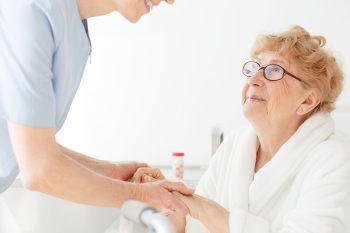
Senior recovery after hospitalization often becomes more difficult when everyday responsibilities suddenly return.
The hospital stay is over. The discharge instructions have been reviewed. A return home is finally within reach. For many older adults, however, the first few days home are where senior recovery after hospitalization faces its biggest test.
A surprising number of hospital readmissions occur within the first several days after discharge. And contrary to what many people assume, those readmissions are rarely triggered by one major medical crisis. More often, they result from a series of smaller challenges that gradually pile up: a medication that gets missed, an appointment that gets postponed, a symptom that seems harmless, or a daily task that suddenly feels much more difficult than before.
Understanding where recovery commonly gets derailed can help you recognize concerns sooner and take steps to keep healing on track.
1. Home Recovery Comes With More Responsibility
While someone is hospitalized, much of their care is handled for them. Medications arrive when they’re supposed to. Healthcare professionals monitor progress throughout the day. Questions are answered quickly, and changes in condition are noticed right away.
Once home, those responsibilities shift dramatically.
An older adult may suddenly be responsible for following discharge instructions, managing medications, arranging transportation, attending follow-up visits, monitoring symptoms, and continuing the work of recovery. Family caregivers often find themselves coordinating many of these moving parts as well.
For someone who is already feeling weak, uncomfortable, or fatigued, that transition can be more challenging than expected.
2. Medication Changes Create Opportunities for Mistakes
Few things create confusion after a hospital stay quite like medications.
It’s common for prescriptions to be added, discontinued, adjusted, or replaced during hospitalization. By the time someone returns home, the medication routine they followed before admission may look completely different.
That can create problems.
A new prescription may sit at the pharmacy longer than intended. Instructions may be misunderstood. A medication that was stopped in the hospital may continue to be taken at home by accident.
For older adults recovering from conditions such as heart disease, COPD, diabetes, or pneumonia, even a temporary disruption in medication management can interfere with recovery and increase the risk of complications.
3. Follow-Up Appointments Are Easier to Miss Than You’d Think
The days following discharge are often packed with recommendations and referrals. There may be physician visits, therapy appointments, diagnostic testing, or consultations with specialists. Keeping track of everything can feel like a full-time job.
Sometimes appointments are delayed because transportation isn’t available. Sometimes recovery proves more exhausting than anticipated. Occasionally, people simply assume an appointment can wait a few extra days.
Unfortunately, those early follow-up visits serve as an important safety net. They allow healthcare providers to evaluate progress, answer questions, and identify concerns before they become serious enough to require another hospital stay.
4. Early Warning Signs Don’t Always Look Serious
One of the most difficult parts of recovery is knowing when something deserves attention. Is increased fatigue a normal part of healing? Is swelling expected? Should shortness of breath improve on its own? Is a reduced appetite cause for concern?
Questions like these come up frequently after discharge.
Because many symptoms seem minor at first, older adults and family caregivers often adopt a “wait and see” approach. The problem is that some hospital readmissions begin with subtle changes that initially appear harmless.
Paying attention to new or worsening symptoms and communicating concerns promptly can help prevent larger problems from developing.
5. Everyday Activities Can Slow Recovery
Many people underestimate how physically demanding recovery can be. Activities that were once routine may suddenly require significant effort. Preparing meals, bathing, getting dressed, climbing stairs, or walking across the house can feel exhausting.
As a result, older adults may begin skipping meals, limiting activity, drinking less water, or spending extended periods sitting or lying down.
While these adjustments may seem reasonable in the moment, they can contribute to weakness, dehydration, reduced mobility, and slower healing. Over time, those challenges can increase the likelihood of setbacks during recovery.
Why Additional Support Makes Such a Difference
Successful recoveries often have one thing in common: someone is helping manage the details.
Medications are organized correctly. Follow-up appointments stay on schedule. Symptoms are monitored. Questions get answered. Small concerns are addressed before they have the opportunity to become larger ones.
That extra oversight can play an important role in helping an older adult remain safe, comfortable, and on track during recovery.
Helping Recovery Stay on Course
The first several days at home are often the most delicate part of the healing process. Having the right support in place can help reduce stress, improve recovery outcomes, and lower the risk of an avoidable return to the hospital.
At Partners in Care, we help older adults recovering at home follow discharge instructions, attend medical appointments, manage daily activities, and identify potential concerns before they become more serious. If someone you love is returning home after a hospital stay in Grass Valley, Chico, Sacramento, or communities throughout the Greater Sacramento Area, including the Sacramento Valley and Northern California Foothills, call (530) 268-7423 to learn how our home care services can help support a safer, smoother recovery.

- Pain Symptoms in Elderly Adults May Be Easier to Spot Than You Think - September 14, 2026
- Reducing Chronic Pain in Older Adults: Start With Everyday Habits - September 1, 2026
- Simple Ways of Helping a Loved One With Cancer Feel Less Lonely Every Day - August 19, 2026