
Simple Ways of Helping a Loved One With Cancer Feel Less Lonely Every Day
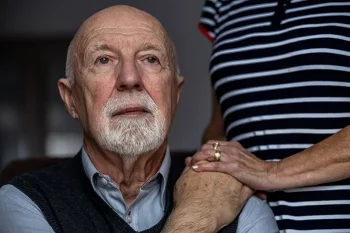
Helping a loved one with cancer feel less lonely starts with showing up consistently and listening with compassion.
Your parent may have never received so many phone calls, visits, or thoughtful messages as they have since their cancer diagnosis. Friends ask how they’re doing. Neighbors stop by to check in. Family members make a point of spending more time together.
But even with all of that love and attention, your parent may still feel surprisingly alone.
That can be difficult to understand. You’re doing everything you can to support them, and so are many other people. Why, then, does loneliness sometimes remain?
The answer isn’t about the amount of support your parent receives. It’s about the fact that cancer changes the way a person experiences the world. Understanding that difference can go a long way in helping a loved one with cancer feel less lonely.
Some Parts of Cancer Can’t Be Shared
No matter how closely you walk beside your parent, there are parts of this experience that belong only to them. You can’t fully understand what it’s like to wait for test results, wonder how treatment will affect tomorrow, or live with the uncertainty that often follows a diagnosis. Those thoughts are deeply personal, and they can create a sense of loneliness that’s difficult to explain.
That doesn’t diminish the value of your support. It simply reminds you that listening is sometimes more important than understanding.
Their Life Looks Different Now
A cancer diagnosis has a way of changing the rhythm of each day. Your parent’s schedule may now revolve around treatments, follow-up visits, and recovery, while everyone else’s routines continue much as they always have. Friends are making weekend plans. Neighbors are tending their gardens. Children are busy with school and activities.
Your parent may feel as though they’re watching life continue from the sidelines, and that can be incredibly isolating.
They Don’t Want You to Worry
Parents often continue putting their children first, even when they’re the ones facing serious health challenges. Your parent may reassure you that everything is going well because they don’t want to add to your stress. They may choose not to talk about difficult days or keep certain fears to themselves, believing that’s somehow protecting you.
Unfortunately, carrying those thoughts in silence can make an already challenging season feel even lonelier.
You Don’t Need the Perfect Response
When someone you love is hurting, it’s easy to feel pressure to say exactly the right thing. More often than not though, your parent isn’t looking for the perfect response. They simply want someone who will sit beside them, listen without judgment, and allow them to be honest about what they’re experiencing.
Feeling heard can be every bit as comforting as hearing encouraging words.
Love Is Measured by Showing Up
Long after the details of individual conversations have faded, your parent will remember the time you spent together.
They’ll remember that you made the drive to visit, stayed for a cup of coffee, shared a laugh over an old memory, or simply sat together on a difficult afternoon. Those moments provide reassurance that they’re loved, supported, and not facing cancer on their own.
Meet Them Where They Are
Some days your parent may be eager to visit and talk for hours. Other days they may simply appreciate knowing someone is nearby.
Following their lead shows respect for what they’re experiencing while reminding them that your support isn’t based on expectations. Whether the visit is long or short, your presence continues to make a difference.
A Caring Companion Can Change the Day
Cancer has a way of making the days feel longer, especially when someone spends much of that time alone. Having a companion to talk with, laugh with, or simply share the day with can ease that loneliness in meaningful ways.
At Partners in Care, our caregivers provide in-home companionship that reminds older adults they don’t have to face life’s challenges alone. If someone you love could benefit from our in-home cancer care services in Grass Valley, Sacramento, Auburn, and throughout the Greater Sacramento Area, including the Sacramento Valley and Northern California Foothills, reach out to us at (530) 268-7423. We’d be honored to help bring comfort and a friendly face to each day.

- Pain Symptoms in Elderly Adults May Be Easier to Spot Than You Think - September 14, 2026
- Reducing Chronic Pain in Older Adults: Start With Everyday Habits - September 1, 2026
- Simple Ways of Helping a Loved One With Cancer Feel Less Lonely Every Day - August 19, 2026